Cultural views on gambling How different societies perceive risk and reward
Understanding Gambling Across Cultures
The perception of gambling varies significantly across different cultures, influencing how communities engage with games of chance. In some societies, gambling is viewed as a form of entertainment and leisure, while in others, it is associated with moral and ethical dilemmas. Cultural norms dictate not only the legality of gambling but also societal acceptance, shaping how individuals approach the concept of risk and reward. If you’re looking for the best online casino, you’ll find that perspectives can vary greatly based on regional attitudes.
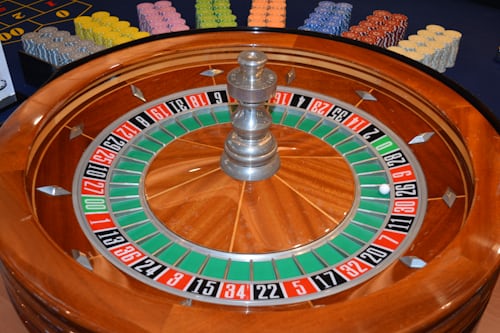
In Western cultures, for instance, gambling has often been embraced as a mainstream activity, celebrated in social settings. Casinos and lotteries are popular, generating significant revenue for governments and contributing to local economies. Conversely, in certain Asian cultures, gambling may carry a stigma due to historical beliefs and values, often tied to notions of luck and fate. This divergence highlights the complex interplay between cultural heritage and contemporary perspectives on gambling.
The Role of Religion in Gambling Views
Religion plays a crucial role in shaping attitudes toward gambling in various societies. Many religious traditions impose restrictions on gambling, viewing it as a vice that promotes greed and irresponsibility. For example, in Islamic cultures, gambling is generally forbidden under Sharia law, reflecting a strong belief in ethical conduct and social justice.
In contrast, some cultures incorporate gambling into their religious practices, seeing it as a means of divine interaction or fortune. Indigenous groups, for instance, may participate in gambling activities during rituals, interpreting them as a way to seek blessings or connect with ancestors. These contrasting religious perspectives reveal how deeply personal beliefs influence societal norms regarding risk-taking behavior.
The Economic Impact of Gambling Perceptions
Economic factors also shape how different cultures perceive gambling. In many societies, the gambling industry contributes significantly to national and local economies, providing jobs and funding public services. Positive views of gambling may correlate with economic benefits, leading to a more favorable public perception. However, concerns about gambling addiction and financial ruin can overshadow these benefits, leading to stricter regulations or bans in certain areas. The balance between recognizing the economic advantages of gambling and addressing its potential harms illustrates the ongoing debate within cultures as they navigate risk and reward.
Gambling in Modern Society
As technology advances, the perception of gambling continues to evolve. Online gambling has gained immense popularity, reshaping how societies engage with risk and reward. This digital revolution allows individuals to gamble from the comfort of their homes, changing the social dynamics traditionally associated with gaming establishments.

Explore Online Gambling Resources
For those interested in navigating the world of online gambling, resources are available to help individuals make informed decisions. As the industry continues to grow, many platforms offer detailed reviews and insights into various gaming options, emphasizing safety and fairness. Understanding the cultural nuances and regulations surrounding gambling can enhance one’s experience and ensure responsible gaming practices.
Joining an informed community can significantly enrich your journey into online gambling. Whether you’re a novice or an experienced player, finding reliable resources can make all the difference in your gaming experience, providing essential tools to enjoy risk and reward responsibly.
Leave a Reply